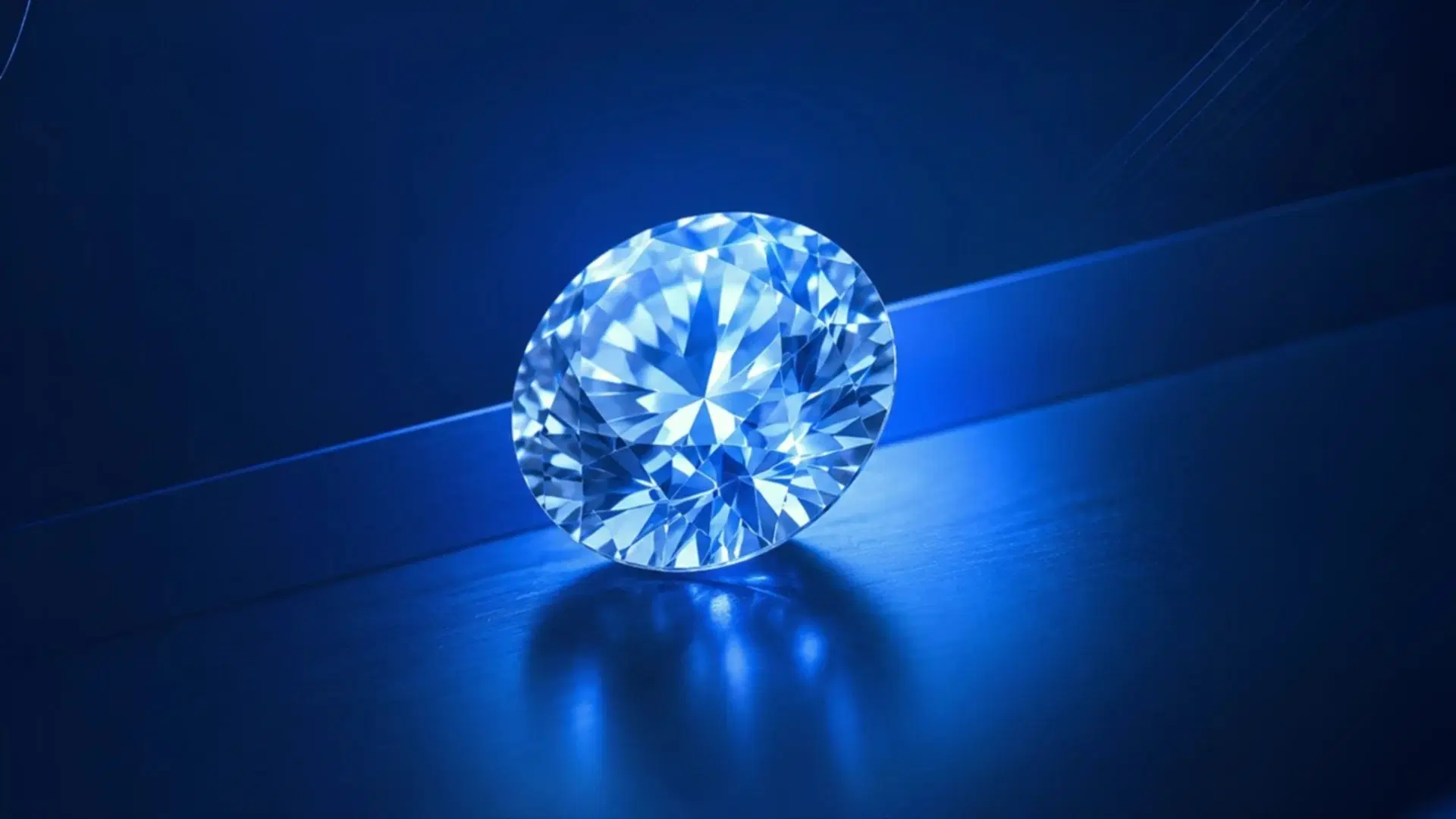
Fluorescence is one of the most misunderstood qualities in a diamond. For some buyers, it's an automatic red flag. For others including many seasoned gemologists it's a non-issue, or even a subtle advantage. The truth, as with most things in the diamond world, lives in the nuance.
EXPLORE >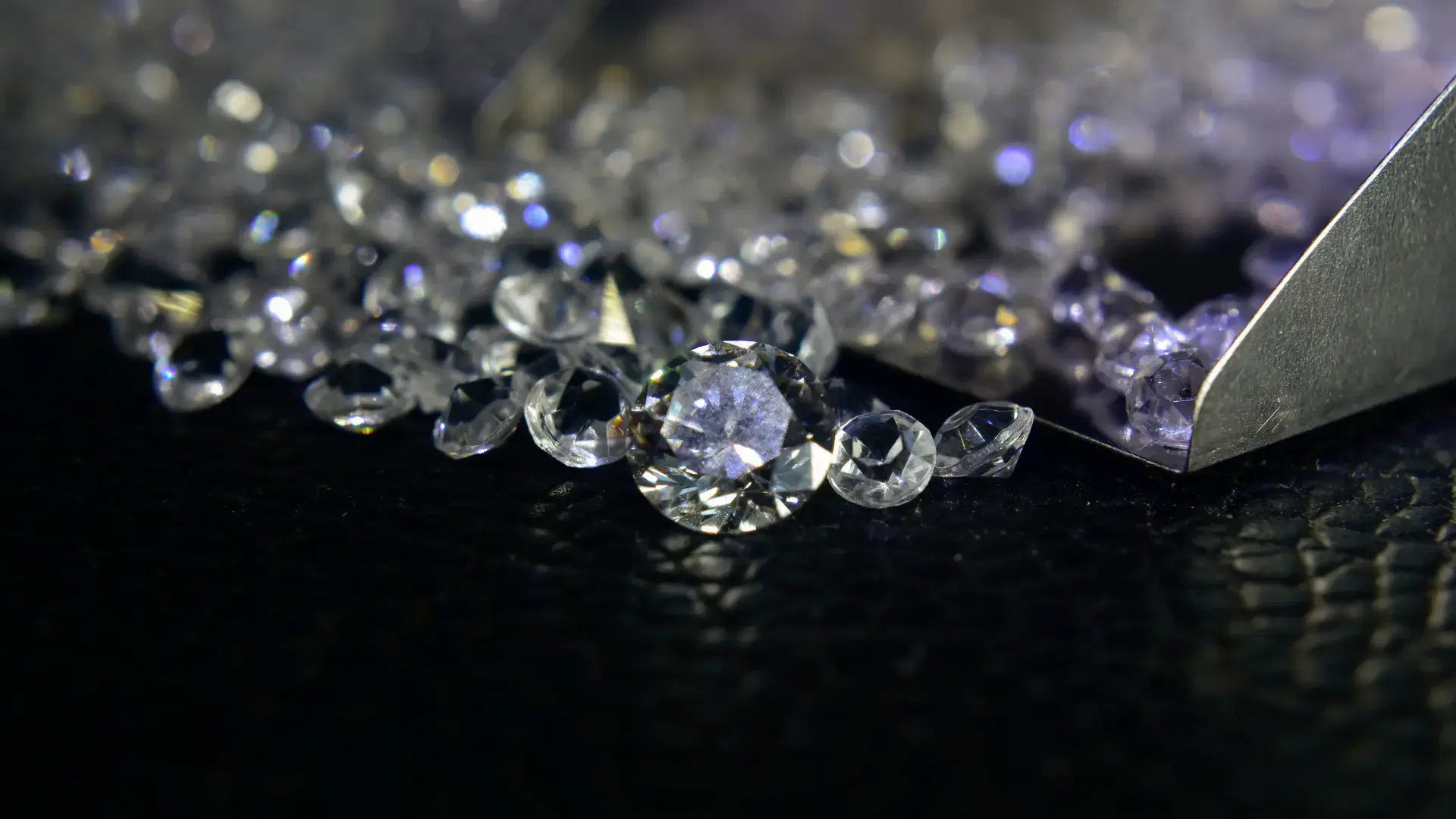
A lab-grown diamond is created in controlled laboratory conditions rather than deep within the Earth. These diamonds possess the same chemical, optical, and physical properties as natural diamonds. They are produced from pure carbon, which crystallizes into a diamond structure.
EXPLORE >
In the last couple of decades, CVD diamonds have shot up in the demand through increased awareness and popularity. With the internet and global trade of diamonds to every location, people have begun to understand that lab-grown diamonds are made in a lab through the CVD process, which replicates how mined diamonds are formed inside the surface of the earth.
EXPLORE >
So you’ve been dreaming of owning a diamond for a while now. Maybe you want it for a special occasion or just want to make your entry into the captivating world of diamonds. But the high price of the rock is keeping you out of the game? There is a way out of this tricky situation start small with a loose diamond. It will not burn a hole in your pocket but will still give you the bragging rights of a real diamond.
EXPLORE >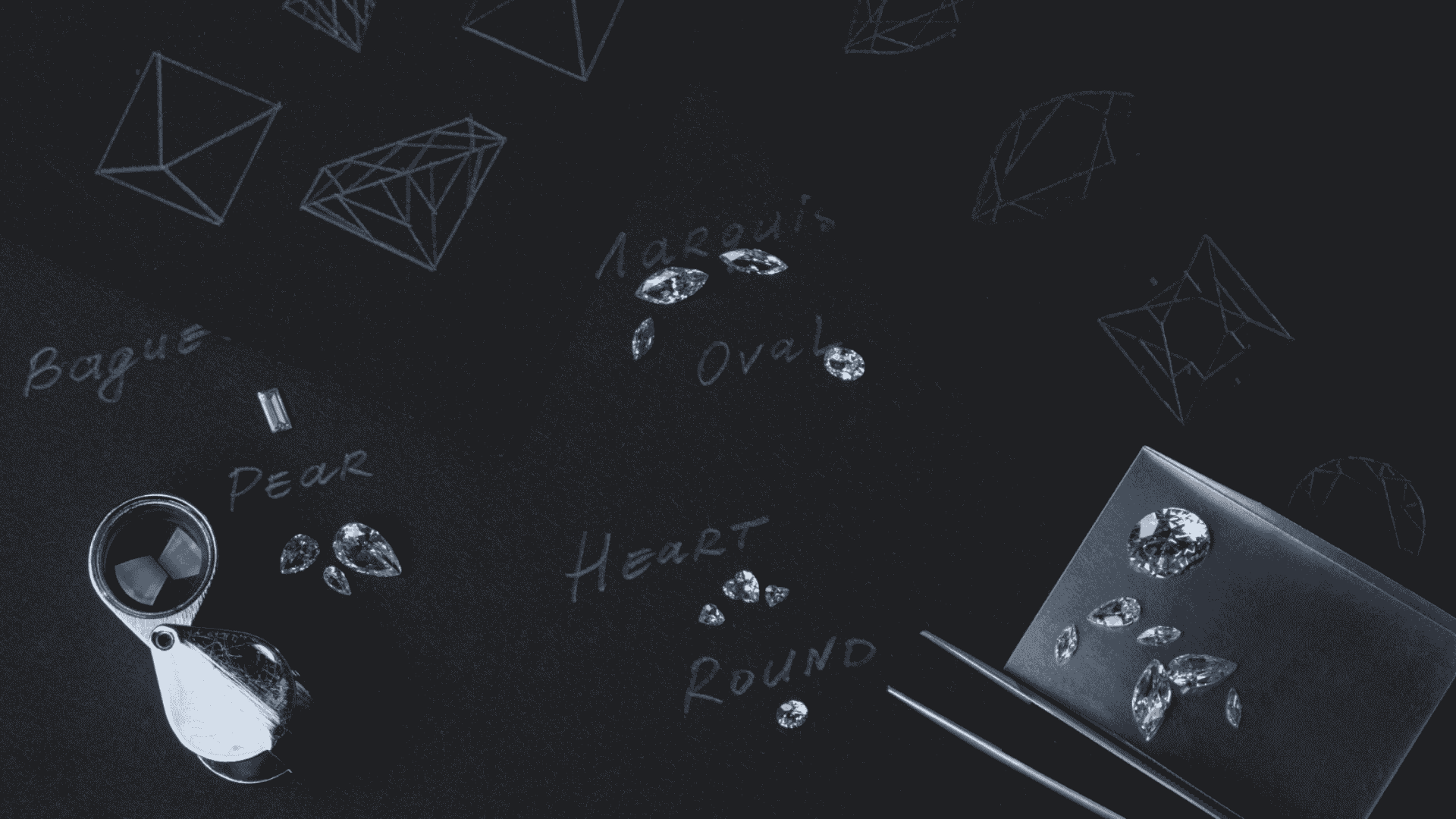
Nowadays, shopping for a diamond ring can feel extremely overwhelming. With such a huge variety of stones, shapes, and styles to choose from, figuring out one design is no easy task. And now there is one more added filter to this tedious task - the decision to choose between a mined diamond and a lab-grown diamond. To help you get through this filtration, we have compiled everything that you need to know about lab grown diamonds and how their characteristics stand in front of natural diamonds.
EXPLORE >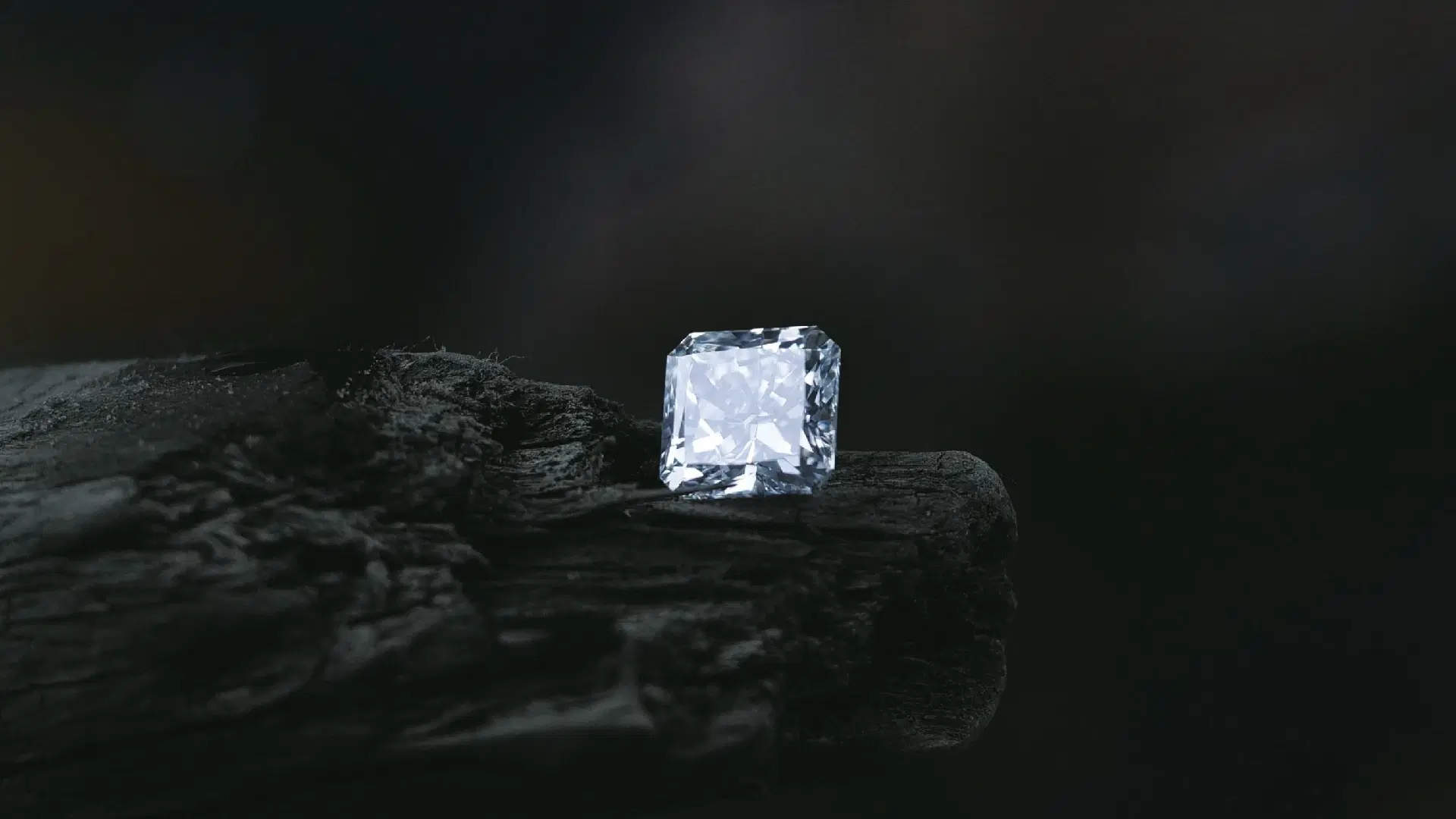
We all know that with time things get better, but there’s a certain charm about the olden times that many of us can’t resist. Well, not every object in the modern world has been able to retain its ancestral version, but you’d be happy to know that the diamond has achieved this feat with the precious antique cut diamond.
EXPLORE >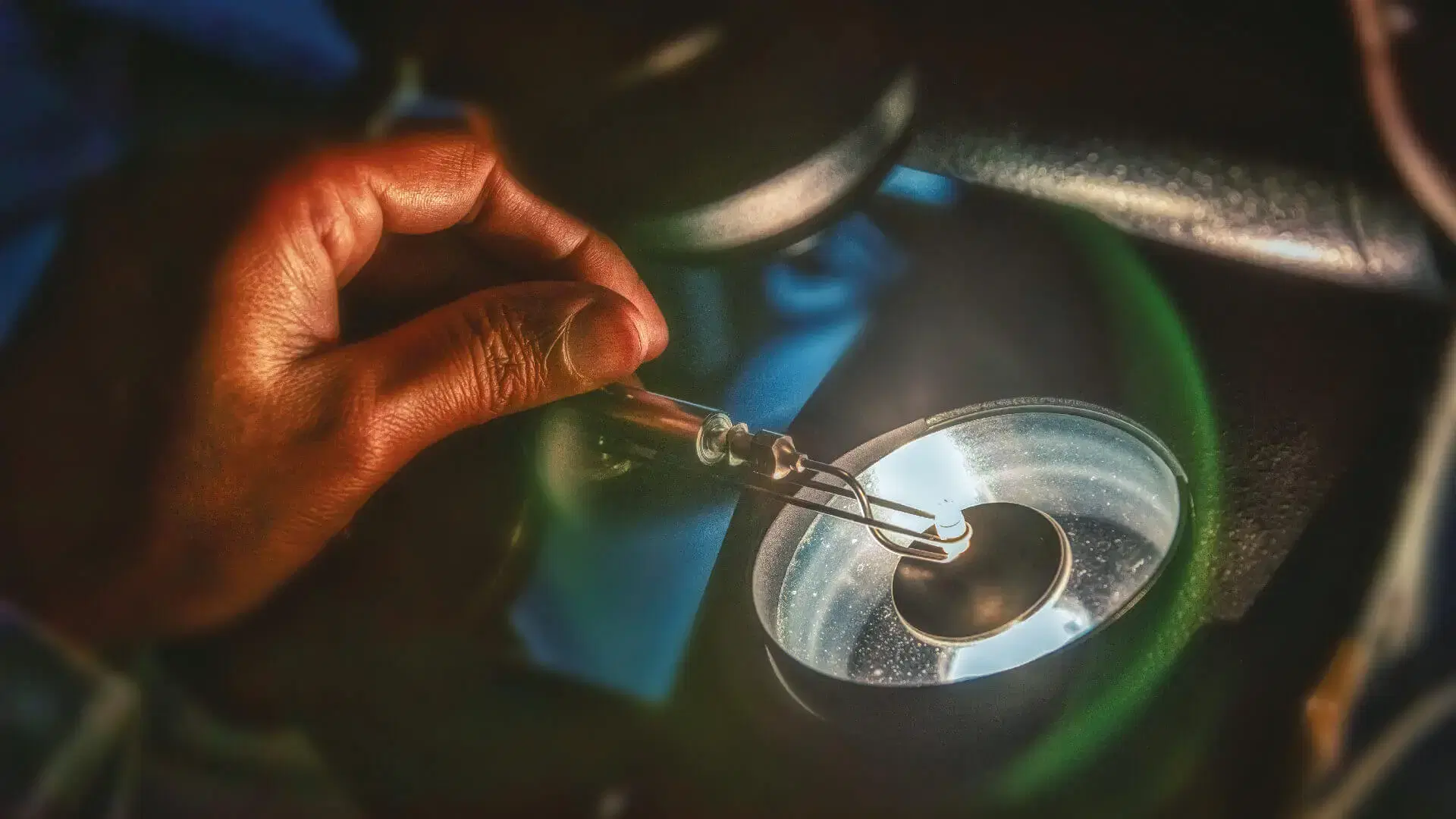
Diamonds have ruled the jewelry market from the very beginning of time, with the earliest mention in Sanskrit manuscripts dating back to 320-296 BC. And as time passed, diamonds started making headlines in Europe, with their presence in the French crown, and got popularity among the masses through romanticization in Hollywood movies. But around 1950, the General Electric company created a synthetic diamond which is now popularly known as the lab grown diamond. Lab grown diamonds can be manufactured using two methods - the carbon vapor deposition (CVD) method and the High Pressure & High Temperature (HPHT) method. Though they are considered replicas, diamonds made in laboratories are generally superior in terms of quality when compared to natural diamonds. This is because of the fact that although the lab environment is designed to match the atmosphere of the earth's crust, it's still a controlled setup, and the quality of the growing diamond can be monitored easily and modified to get the best results.
EXPLORE >Become a part of the Classic Grown Diamonds network and get our latest updates directly in your inbox! Subscribe for our newsletter today!